
Things to Do in Tonga in February
February weather, activities, events & insider tips
Low Season · Budget Friendly
February Weather in Tonga
Long-run averages for February in Nuku'alofa
85°F (29°C)
High Temp
74°F (23°C)
Low Temp
8.3 inches (211 mm)
Rainfall
78%
Humidity
15
Sunny-Day UV
⚠ February falls within the South Pacific cyclone season, which runs November through April. Tonga sits directly in the cyclone belt, and major systems have struck Tongatapu in February historically, including Cyclone Gita in 2018. Monitor regional weather forecasts daily. Ensure your accommodation has a cyclone shelter or solid concrete structure. Carry travel insurance with explicit cyclone evacuation coverage.
⚠ Afternoon and evening thunderstorms in February can produce heavy rainfall in short bursts, with strong gusting winds and occasional lightning. Unpaved roads on Tongatapu and the outer islands become muddy and in places impassable after sustained rain. Avoid driving unfamiliar roads after dark during or after heavy rainfall.
⚠ Sea conditions between islands can deteriorate rapidly. Swells of 2-3 m (6-10 ft) are not unusual in February, and open-water crossings between Tongatapu and Ha'apai or Vava'u can be rough enough to make seasickness a near-certainty for susceptible travelers. Inter-island ferry cancellations due to weather are common this month.
Making the most of February in Tonga? Browse tours and activities in Tonga on GetYourGuide.
Is February Right for You?
Weigh the advantages and considerations before booking
Advantages
- + February lands in Tonga's off-season. The limestone beaches along Tongatapu's northern coast and the powdery sand stretches of Ha'apai sit nearly empty. Guesthouses and beachside fale that demand weeks of advance booking during the July-to-October whale season suddenly have same-week availability. Accommodation rates drop across the board. You taste Tongan hospitality without fighting for it.
- + Ocean temperatures hold at 28-29°C (82-84°F) through February. The water inside the reef grows warmer and calmer than almost any other month. Snorkeling off Pangaimotu Island or the reef flats near Fafa feels like slipping into a bath. Visibility inside the lagoons holds at 15-20 m (50-65 ft) between storms. Coral spawning events sometimes occur in late summer. Clouds of reef fish swarm feeding stations you can reach by kayak from shore.
- + Peak tropical fruit season hits Tonga in February. Mangoes weigh down trees lining roads through Nuku'alofa's outer villages. Breadfruit appears at every meal, so abundant it becomes unavoidable. The pawpaw reaches peak sweetness. The Saturday market at Talamahu in central Nuku'alofa floods with produce this ripe only now. The scent of overripe mango and damp earth clings to the warm air between stalls.
- + February delivers Tonga at its most unfiltered. Without the tourist machinery that cranks up for whale season, you eat where Tongans eat. You attend church where Tongans worship. You catch island life at its most authentic rhythm. Fewer outsiders mean better odds of an invitation.
Considerations
- − February marks the statistical peak of Tonga's cyclone season, running roughly November through April. The South Pacific cyclone belt cuts directly through Tongan waters. A direct hit on Tongatapu is not annual. But the risk is real and recent. Tropical Cyclone Gita slammed the capital in February 2018, flattening buildings across the island. Travel insurance with cyclone evacuation coverage is mandatory this month. Consider it the price of entry.
- − Tonga's wettest month arrives in February. Nuku'alofa averages 8.3 inches (211 mm) of rainfall, the year's highest, with humidity around 78%. Rain comes in heavy afternoon and evening bursts rather than all-day drizzle. Those bursts can turn unpaved roads to mud tracks and cancel inter-island ferry services for a day or more. The air between downpours hangs thick and close. Your shirt sticks to your back within minutes outside.
- − Inter-island transport grows less reliable. The ferry connecting Tongatapu to Vava'u and Ha'apai runs on schedules already approximate in good weather. February swells and storm systems delay or cancel sailings with little warning. Domestic flights on Real Tonga operate but face weather holds. If your trip requires reaching outer island groups, build at least two buffer days into your itinerary. Weather disruptions happen.
Short on time in February? See day trips around Tonga on GetYourGuide.
Best Activities in February
Top things to do during your visit
Tongatapu Full Island Circuit
February's warm overcast mornings, often cooler than July's blazing dry-season days, suit a full-day circuit of Tongatapu by car. The route hits the Mapu'a 'a Vaea blowholes on the southwest coast, where incoming swells force seawater through hundreds of coral vents in eruptions that sound like muffled cannon shots and spray salt mist across your face. The Ha'amonga 'a Maui trilithon near the eastern tip, Tonga's Stonehenge-equivalent dating to roughly 1200 AD, rests in wet grass smelling of rain and frangipani after morning showers. The flying fox colony at Kolovai, where thousands of fruit bats roost in ironwood trees along the road, grows most active in the wet season when fruiting trees draw larger numbers. Start early. By mid-afternoon heat and humidity peak, and thunderheads build over the interior.
Booking Tip: Full-day island tours typically run six to eight hours. Arrange these through licensed local operators at least a week ahead. February's low visitor numbers often score you a private vehicle at group rates. Check current options and availability in the booking section below.
Anahulu Cave Swimming and Limestone Exploration
The Anahulu Cave system near Haveluliku village on Tongatapu's eastern coast offers one of the few underground swimming experiences in the South Pacific. February's elevated water table fills the cave pools to their deepest and clearest. You descend stone steps into a limestone cavern where stalactites drip into water so transparent it barely registers as water, just blue-green shimmer over white sand. The cave temperature holds around 24°C (75°F) year-round, feeling almost cool after the humid air above. Acoustics turn every splash cathedral-like. Bring a waterproof headlamp to explore deeper chambers beyond the main swimming pool, where rock narrows and ceiling drops close enough to touch. The surrounding village stays quiet and welcoming. Expect greeting children who may volunteer as unofficial guides.
Booking Tip: Cave tours run about two to three hours. Operators frequently combine them with east coast circuit stops. Book through local tour operators or the options listed in the booking widget below. Mornings before 10 AM bring softer light filtering into the cave entrance. Better photography results.
Reef Snorkeling and Lagoon Kayaking off Pangaimotu
Pangaimotu Island sits fifteen minutes by boat from Nuku'alofa's waterfront. February brings the warmest, calmest water inside the reef. The coral gardens on the southern side host parrotfish, clownfish, and the occasional reef shark in deeper channels. Few snorkelers visit this time of year. You will likely have the reef to yourself. The water feels like warm silk. Visibility stays excellent between rain events. Kayak the shallows at low tide to find starfish scattered across white sand glowing turquoise through knee-deep water. One warning: heavy rain sends runoff from Tongatapu that can cloud nearshore water for a day. Check conditions with your boat operator that morning.
Booking Tip: Day trips to Pangaimotu include boat transfer and usually lunch. Book a day or two ahead through Nuku'alofa operators. See current availability in the booking section. Bring your own snorkel gear for a better fit.
Captain Cook Landing Site and Ancient Tonga Heritage Walk
The archaeological sites on Tongatapu's eastern half reward a slow half-day walk or drive. This feels like time travel. The Langi, the terraced royal tombs near Lapaha village, are massive stepped stone platforms built between the 13th and 17th centuries. They sit among coconut palms and wet grass that smells of warm earth after February rain. The Ha'amonga 'a Maui trilithon, a coral limestone gateway weighing over 40 tonnes, stands in a clearing where only roosters and wind break the silence. Captain Cook's landing site at 'Eua has a different angle on Tongan history. Even on Tongatapu, the layered past of Polynesia's oldest kingdom is palpable. February's overcast mornings keep temperatures manageable for walking. The soft light through cloud cover is better for photographing carved stone than harsh midday sun.
Booking Tip: Heritage-focused tours run two to four hours. Combine them with east coast beach stops. Licensed guides who speak Tongan and explain the oral histories behind each site add enormously. See the booking section below for current guided heritage tour options.
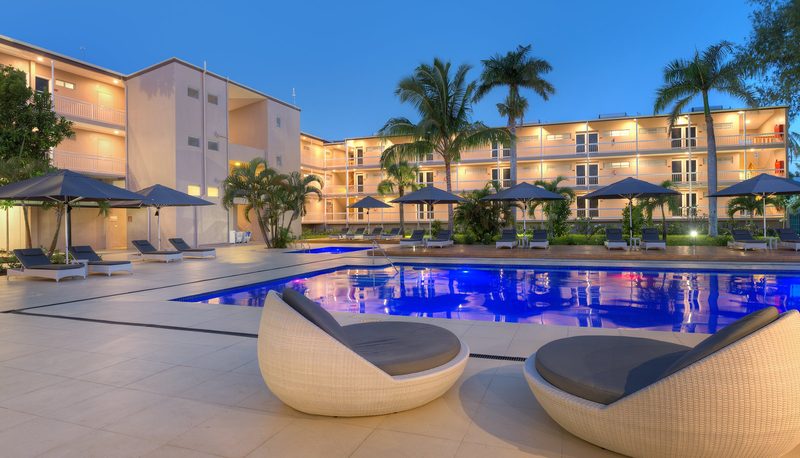
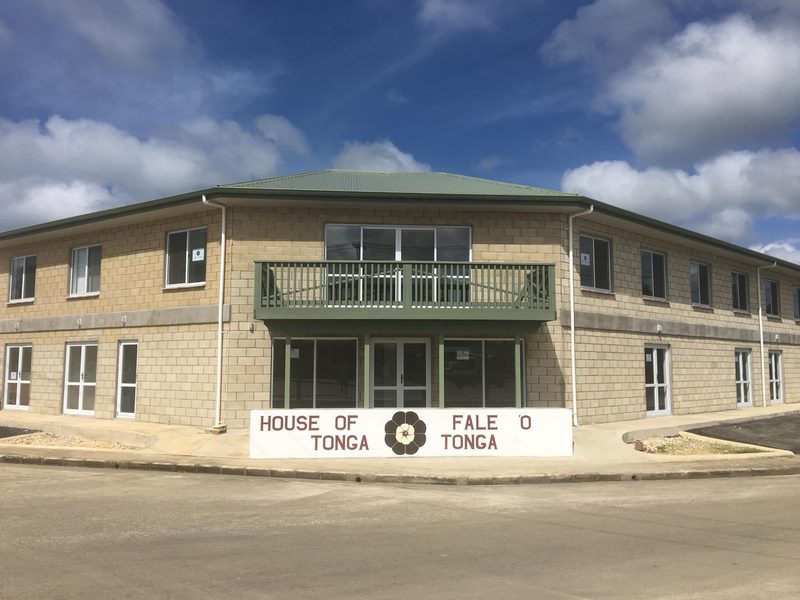
Where to Stay in Tonga in February
Hand-picked hotels across price tiers for February travellers.
Packing Checklist
Bookmark this page — your progress is saved between visits
Need the full list with shopping links?
Climate-specific gear, brand recommendations, and what to leave at home.
View Tonga Packing List →Essential Tips
Insider knowledge and common pitfalls to avoid
Insider Knowledge
Sunday in Tonga is law, not suggestion. The Tongan constitution prohibits commerce and most public activity on Sundays. Enforcement is social, not merely legal. Restaurants close. Shops shutter. Beaches empty. The entire country goes to church, often in white dress clothes. Harmonies pour from even the smallest village chapel. They are extraordinary. Attend a service. Dress conservatively. Sit where directed. The singing alone justifies rearranging your itinerary. Plan food and supplies for Saturday.
Kava sessions anchor Tongan social life. In February, with few tourists, locals invite you to drink in the evening. The taste resembles muddy pepper water. It numbs your lips. Silence falls between rounds. This signals communal respect. Do not refuse the first bowl. Drink it in one go. Clap once before, three times after. You have performed correctly. The relaxation that follows is real.
The Saturday morning market at Talamahu in Nuku'alofa reveals how Tonga eats. Arrive before 7 AM. The light remains soft. Vendors arrange pyramids of taro, yams, and green coconuts on woven mats. Cooked food stalls line the market's edge. They sell lu pulu: corned beef wrapped in taro leaves, braised in coconut cream, still steaming. The flavor is intensely rich. The taro leaf carries slight bitterness against the cream's sweetness. It costs almost nothing. This is breakfast.
February's low tourist numbers reduce inter-island flights to Vava'u and Ha'apai. Sometimes only a few flights run per week. Book domestic flights before your international ticket. Build two full buffer days on either end. Real Tonga operates domestic service. Check their schedule directly. Do not assume daily service. Missing a connection here means waiting. Possibly two days.
Avoid These Mistakes
Never arrive without cyclone-aware travel insurance and a contingency plan. February sits in the statistical heart of the South Pacific cyclone season. Tonga's location leaves it vulnerable to systems that form with little warning. Nonrefundable accommodation and fixed-date inter-island transport in February constitute a gamble against meteorology. Book flexible rates. Carry insurance covering cyclone evacuation and trip disruption explicitly. Know your country's nearest consular representation. Nuku'alofa has limited emergency infrastructure.
Do not plan a trip entirely around reaching Vava'u or Ha'apai without understanding wet season transport fragility. The inter-island ferry often delays or cancels in February swells. Domestic flights run thin schedules. Travelers budgeting one night on Tongatapu as transit, then weathered in, spend their entire trip in the capital by default. Frustrated. Make Tongatapu your February foundation. Treat outer island days as bonus if weather cooperates. Never as guarantee.
Never disrespect Sunday observance. Do not shop. Do not swim loudly at populated beaches. Do not play music. Guidebooks frame this as cultural curiosity. Tongans experience it as held religious and constitutional practice. They enforce it through social disapproval. Tourists treating Sunday like any other day earn genuine resentment. Word travels fast here. Plan ahead. Stock food Saturday. Spend Sunday experiencing church singing that makes Tonga's Sabbath unique in the Pacific.
Ready to plan your trip to Tonga?
Now that you've got the research covered, here's where to go next.
Explore More Activities in Tonga
Didn't see anything interesting yet?
Browse Viator's full catalog of tours, day trips, food experiences, and private guides in Tonga.
See All Tonga Tours on Viator