
Things to Do in Tonga in July
July weather, activities, events & insider tips
Shoulder Season · Good Value
July Weather in Tonga
Long-run averages for July in Nuku'alofa
76°F (24°C)
High Temp
64°F (18°C)
Low Temp
3.7 inches (94 mm)
Rainfall
72%
Humidity
6
Sunny-Day UV
⚠ Trade winds strengthen through July. They can produce rough seas on inter-island crossings. The open passage between Tongatapu and Eua is affected. So are the whale-watching runs around Vava'u. Boat operators cancel departures when swells exceed safe thresholds. Build buffer days into any Vava'u whale-swimming itinerary. Do not schedule encounters back-to-back with your departure flight. Motion sickness on these crossings is common. Even experienced travelers feel it.
Making the most of July in Tonga? Browse tours and activities in Tonga on GetYourGuide.
Is July Right for You?
Weigh the advantages and considerations before booking
Advantages
- + Humpback whale season opens in Vava'u. July marks the arrival of humpback mothers and newborn calves into the sheltered waters between Vava'u's islands after their long migration from Antarctic feeding grounds. Tonga remains one of the very few countries on earth where swimming alongside these animals is legal and regulated. Early-season encounters tend to involve pairs that are still curious and unhurried, the calves days or weeks old, drifting close to their mothers in water clear enough to spot them from the surface before you even slide off the boat.
- + The driest stretch of the Tongan year settles in. Nuku'alofa records just 3.7 inches (94 mm) of rainfall in July, tied with June as the annual low. Mornings tend to break clear, the unpaved roads across Tongatapu stay firm rather than dissolving into the red-clay mud that makes wet-season driving an exercise in faith, and the humidity sits around 72 percent instead of the 80 percent that turns the summer months into something you breathe through rather than live in.
- + The kingdom's diaspora floods home from New Zealand, Australia, and the United States, and the capital's energy shifts from its usual unhurried rhythm to something charged and joyful in a way no other week of the year replicates.
- + Comfortable temperatures replace the tropical swelter that defines Tonga's wet months. Highs around 24 degrees C (76 degrees F) and lows near 18 degrees C (64 degrees F) make July the most physically pleasant month for walking Tongatapu's coastline, hiking 'Eua's rainforest ridges, or spending a full day on the water. You can explore from dawn to dusk without the heat exhaustion that the wet season's 29 degrees C (84 degrees F) and saturated air guarantee by mid-morning.
Considerations
- − Whale-watching demand compresses Vava'u's limited accommodation months in advance. Every guesthouse and small lodge in Neiafu and the surrounding islands fills early for July, and the inventory is slim enough that booking three to four months ahead is the realistic minimum. Tongatapu has easier availability. But the whales are in Vava'u, a domestic flight away, and that flight books out too.
- − Water temperatures sit around 23 degrees C (73 degrees F), which registers as brisk rather than tropical. If your mental image of the South Pacific involves bathwater-warm lagoons, July will reset that quickly. Snorkeling and whale swimming sessions need a rash guard or thin wetsuit top to stay comfortable past twenty minutes, and the wind chill on a wet boat ride back compounds the cold in a way that catches first-timers off guard.
- − Sunday closures are constitutional and enforced with a cultural weight that visitors rarely anticipate. Shops, restaurants, markets, and most transport shut down entirely. Public beach swimming draws open disapproval. Plan around it or lose the day.
Short on time in July? See day trips around Tonga on GetYourGuide.
Best Activities in July
Top things to do during your visit
Swimming with Humpback Whales off Vava'u
July opens Tonga's humpback whale season, when mothers and newborn calves arrive in the protected channels between Vava'u's forty-odd islands. Tonga is one of the only places on earth where entering the water with these animals is legal and regulated, and early-season encounters in July tend to be the most intimate. The calves are days or weeks old, still pressed close to their mothers, and the pairs drift slowly through water so clear you can track them from 30 metres (100 feet) before you get in. The cold hits first. July water grips your chest for the opening thirty seconds after you slip off the boat, and then a whale surfaces ten metres away and the temperature stops registering. Most outings leave Neiafu harbour between 7 and 8 AM, when the seas are at their calmest, and you spend four to six hours motoring between sighting spots with the salt-tinged trade wind drying your skin between swims. Groups are capped at four swimmers per whale encounter by Tongan law, which keeps the experience quiet and respectful rather than a scramble. The season runs through October, but July's freshly arrived animals have not yet grown accustomed to daily boat contact, so their behaviour is less predictable and, when they do settle, sometimes more willing to stay close.
Booking Tip: Book at least six to eight weeks before your July arrival. Licensed whale-swim operators in Vava'u run small boats with limited daily permits, and July fills first. Look for operators who enforce the four-swimmer rule and employ guides with marine biology backgrounds. See current tour options in the booking section below.
Tongatapu East Coast and Cave Exploration
Tongatapu's eastern coastline packs the island's full geological drama into a half-day drive. The Mapu'a 'a Vaea blowholes erupt in thundering columns when southern ocean swells push through the raised coral shelf. You hear them before you see them. A low percussion builds to a roar as seawater shoots 20 metres (66 feet) into the air, and the salt mist settles wet and sharp across your face. July's dry conditions mean the unpaved access roads stay firm rather than becoming the rutted mud traps of the wet season, and the moderate humidity makes the cliff-edge walk a pleasure rather than a slog. Anahulu Cave sits a few kilometres further east, a freshwater limestone cavern where stalactites drip into a pool clear enough to count the sand grains three metres (10 feet) below. Swimming in it during July feels like stepping into mountain water, a bracing chill the warmer months burn off, and the silence inside the chamber is total except for the slow mineral drip echoing off the walls. At the island's eastern tip, the Ha'amonga 'a Maui trilithon stands in a clearing of mown grass: two coral-limestone slabs supporting a lintel, built around 1200 AD and aligned to the solstice with a precision that speaks to astronomical knowledge the early European visitors did not expect to find here.
Booking Tip: Book at least two weeks ahead in July. Operators typically provide transport from Nuku'alofa accommodations and cover multiple stops in a single morning. Check current options in the booking section below.
Reef Snorkeling and Island Day Trips near Tongatapu
The small islands north of Tongatapu, Pangaimotu, Fafa, and Atata, sit inside a lagoon whose water clarity peaks during July's dry weeks. The reef flats are shallow enough that you glide over brain coral and staghorn gardens in chest-deep water, and cooler July temperatures mean the coral carries less thermal stress than in the warm months, so the colours come closer to marine biology textbooks than the bleached formations the tropics increasingly produce. Pangaimotu lies close enough to Nuku'alofa that the boat crossing takes about fifteen minutes, and the island's shallows hold a rusted shipwreck where parrotfish have claimed every corroded surface. Underwater, you can hear their beaks scraping coral from a metre away, a crunching like someone grinding coffee. July mornings on the lagoon tend to be glassy and still before the trade winds build around midday, so early departures deliver the best visibility and the flattest crossings. The trade-off is honest. Water at roughly 23 degrees C (73 degrees F) drains warmth faster than you expect, and the wind across wet skin on the boat ride home makes a rash guard feel less like caution and more like the most important thing you packed.
Booking Tip: Day trips to the lagoon islands run most mornings in July. But operators cancel when afternoon trade winds push seas above comfortable levels. Morning departures are the reliable option. Book a day or two ahead through local operators or check the booking section below for current availability.
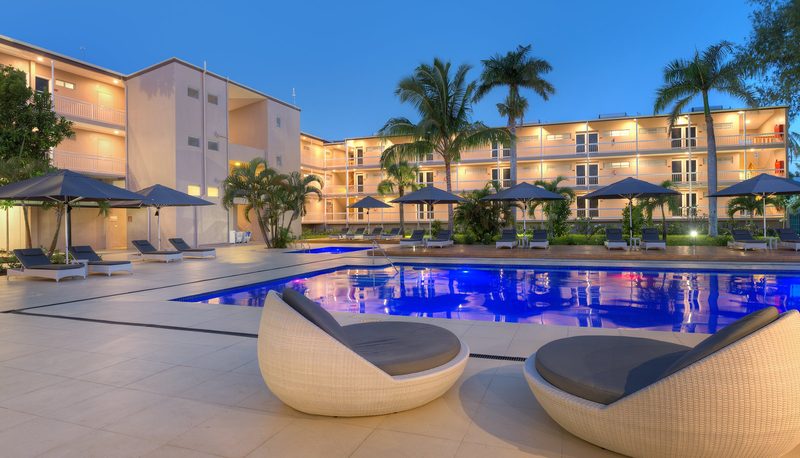
Where to Stay in Tonga in July
Hand-picked hotels across price tiers for July travellers.
Public Holidays in July
Dates that affect opening hours, transport and crowds
Birthday of the reigning Sovereign of Tonga
Observed nationwide as a public holiday.
Birthday of the reigning Sovereign of Tonga
Observed nationwide as a public holiday.
Packing Checklist
Bookmark this page — your progress is saved between visits
Need the full list with shopping links?
Climate-specific gear, brand recommendations, and what to leave at home.
View Tonga Packing List →Essential Tips
Insider knowledge and common pitfalls to avoid
Insider Knowledge
Most guesthouses and many churches host communal meals after morning service. If a local family invites you to their umu, accept without hesitation. Bring dried kava root from Talamahu Market as your contribution, not cash. The four-part church harmonies preceding the meal are worth hearing regardless of your beliefs. Tongan congregational singing is a physical experience. Bass voices resonate through wooden pews and into your ribcage in a way that no recording captures.
Domestic flights between Tongatapu and Vava'u book out weeks ahead in July because of whale-watching demand. The flight takes roughly an hour. The inter-island ferry takes a full day through open ocean that can run rough in July's trade wind season. Book your flights before you book your accommodation. Without that seat confirmed, reaching the whales means the overnight ferry. You arrive in Neiafu with a green face and a wasted day of recovery.
Talamahu Market sits in central Nuku'alofa. This is where Tonga eats. Stalls selling ota ika, boiled root crops, fried fish, and fresh coconut open by 6 AM on weekdays. Saturday morning draws the week's biggest crowd. Go hungry. Point at whatever looks good. Eat on the concrete benches outside. The smells layer together there: woodsmoke, frying oil, ripe pawpaw, the mineral tang of fresh tuna. The market winds down by early afternoon. It stays shut on Sunday.
Kava sessions form Tonga's social infrastructure. They are not a tourist novelty. If invited to a faikava, sit cross-legged on the mat. Clap once before receiving the coconut-shell cup. Drink in one go. Then clap three times. The taste is earthy and peppery. The mild numbing across your tongue and lips is normal. The conversations that develop after the third round grow slower, more candid, increasingly funny. Those conversations are the real reason people sit down. Do not leave before the host signals the evening is over.
Avoid These Mistakes
Building a tight itinerary around Tongatapu alone and leaving Vava'u off the plan is a mistake. The humpback whale swimming that draws most July visitors happens exclusively in the Vava'u island group. This is a domestic flight north of the capital. Arriving in Nuku'alofa without Vava'u flights and accommodation already locked in means arriving without the defining experience of the season. Securing both last-minute in July ranges from difficult to impossible.
Treating Sunday as a flexible rest day you can improvise through with beach walks and cafe stops will fail. Nothing is open. Public swimming at most beaches draws disapproval from nearby residents. Even playing music audibly can cause friction. Plan your Sunday around a church service in the morning. Arrange the communal umu lunch through your accommodation. Spend a quiet afternoon reading or resting. Saturday is your final chance to buy anything until Monday morning.
Packing exclusively for tropical heat is a mistake. July nights at 18 degrees C (64 degrees F) with trade winds cutting across exposed skin feel properly cold after a warm afternoon. Accommodation in Tonga rarely includes any form of heating. The gap between the daytime high and the evening low is the widest of any month. A fleece or light jacket earns its luggage weight every single evening. You will wish you had it by the second night if you left it behind.
Ready to plan your trip to Tonga?
Now that you've got the research covered, here's where to go next.
Explore More Activities in Tonga
Didn't see anything interesting yet?
Browse Viator's full catalog of tours, day trips, food experiences, and private guides in Tonga.
See All Tonga Tours on Viator