
Things to Do in Tonga in March
March weather, activities, events & insider tips
Low Season · Budget Friendly
March Weather in Tonga
Long-run averages for March in Nuku'alofa
85°F (29°C)
High Temp
74°F (23°C)
Low Temp
8.1 inches (206 mm)
Rainfall
80%
Humidity
13
Sunny-Day UV
⚠ March falls within the South Pacific cyclone season (November through April). Tropical cyclones capable of causing serious damage have struck Tonga in March historically. Near-misses bring days of heavy rain, high winds, and disrupted transport. Monitor the Tonga Meteorological Service forecasts throughout your trip. Ensure your travel insurance explicitly covers cyclone-related cancellations and evacuations. Stay alert. Review policy.
⚠ Ocean swells on Tongatapu's southern and eastern coasts increase significantly in March due to storm activity across the wider Pacific. Rip currents at unpatrolled beaches are a genuine drowning risk. Reef-break waves that look manageable from shore can pull swimmers into deep water fast. Swim only at beaches where locals are also swimming. Treat any unfamiliar beach with caution. Check tides. Move carefully.
⚠ Dengue fever is present in the South Pacific. March's wet conditions create ideal breeding habitat for the Aedes mosquitoes that carry it. There is no vaccine. Prevention means repellent, long sleeves at dusk and dawn, and sleeping under a net or in screened accommodation if available. Seek medical attention promptly for sudden high fever with severe headache or joint pain. Act fast. Call doctor.
Making the most of March in Tonga? Browse tours and activities in Tonga on GetYourGuide.
Is March Right for You?
Weigh the advantages and considerations before booking
Advantages
- + Ocean temperatures peak near 29°C (84°F) in March. This is prime time for reef snorkeling and swimming around Tongatapu's offshore islands. No wetsuit needed. The coral gardens off Pangaimotu and Fafa are clearest in the calm windows between storms. You will likely have them nearly to yourself.
- + March falls in Tonga's green season. The difference from the drier months is striking. The interior of Tongatapu turns deep emerald. The coconut palms look almost absurdly lush. Flowering frangipani and hibiscus along the roads between villages are at their most intense. Photographers get a landscape most postcard shots never show.
- + Tourist numbers drop sharply in Tonga's wet season. The major sites on Tongatapu, the Anahulu Cave, the Mapu a Vaea blowholes, the Ha'amonga 'a Maui trilithon, are often just you and a guide. Accommodation availability opens up considerably. Operators become more flexible with scheduling and group sizes.
- + Easter 2027 falls on March 28. In Tonga, one of the most devoutly Christian nations on earth, this is not a casual holiday. The week leading up to Easter Sunday fills the air with choral rehearsals from every church in Nuku'alofa. Whole pigs are cooked in underground umu ovens. It is one of the most culturally immersive windows of the year.
Considerations
- − March sits squarely within the South Pacific cyclone season, which runs from November through April. A direct hit on Tongatapu is not frequent. Tropical depressions and severe storms are real possibilities. The Tongan Meteorological Service issues warnings. You should have a flexible itinerary and travel insurance that explicitly covers cyclone-related disruption. This is not a theoretical risk. Cyclone Gita devastated Tongatapu in February 2018.
- − Nuku'alofa's average rainfall in March is 206 mm (8.1 inches). Humidity sits at roughly 80 percent. You will sweat through shirts within minutes of stepping outside. Afternoon downpours, sometimes torrential, are common. They tend to come in bursts rather than all-day grey. They can cancel boat trips and make unpaved roads on the outer islands muddy and slow.
- − Humpback whale season in Tonga runs from roughly July through October. The whales migrate from Antarctic waters to breed in the warm shallows around Vava'u and Ha'apai. In March, there are no whales. If swimming with humpbacks is your reason for visiting Tonga, March is the wrong month entirely.
Short on time in March? See day trips around Tonga on GetYourGuide.
Best Activities in March
Top things to do during your visit
Full Tongatapu Coastal Circuit
The full island loop around Tongatapu takes a day. It covers the best of what Tonga's main island offers in a single arc. March improves several stops along the route. The Mapu a Vaea blowholes on the southern coast are fed by ocean swell. The larger swells that March's weather systems push in send columns of seawater exploding through the coral shelf to heights of 20 metres (65 feet) or more. The spray catches the light. The roar is audible from the car park. Further east, the Ha'amonga 'a Maui trilithon, a coral limestone archway built around 1200 AD and often called Tonga's Stonehenge, sits in a clearing that turns lush and green this time of year. You will not share it with a tour bus. The flying fox colony at Kolovai, where thousands of fruit bats hang from casuarina trees along the western shore, is active year-round. The wet season canopy makes the approach shadier and cooler. Between stops, the roadside stands selling fresh drinking coconuts are a welcome reset in the humidity.
Booking Tip: Full-day island circuits are the most popular organised activity on Tongatapu. Book three to five days ahead in March. This is less urgent than in the dry season but still necessary since some operators reduce their schedules. Look for small-group tours with local Tongan guides rather than large bus operations. See current options in the booking section below.
Anahulu Cave and East Coast Exploration
Anahulu Cave is a limestone cavern on Tongatapu's north coast. It has a freshwater pool inside that stays cool year-round, somewhere around 22°C (72°F). In March this feels extraordinary after the thick tropical heat outside. You descend stone steps into the dark. Stalactites overhead catch your headlamp beam. The water below is so clear you can see the sandy bottom three metres (ten feet) down. Swimming in it is the closest thing to natural air conditioning Tonga offers. The cave connects to the broader east coast route, which includes the terraced coral cliffs near Houma, tide pools full of sea urchins and small reef fish, and the dramatic coastline where the Pacific crashes into raised coral platforms. In March, the higher sea levels and stronger swell make the wave action along this coast more theatrical than in calmer months. The combination of underground swimming and coastal scenery makes this a solid half-day even if the weather above ground turns grey.
Booking Tip: Half-day east coast tours that include Anahulu Cave are widely available. They can often be arranged a day or two in advance in the low season. Bring a waterproof bag for your phone and a towel. Most tours include the cave swim as a highlight. Check the booking section below for current operators running this route.
Reef Snorkeling off Nuku'alofa's Offshore Islands
The small islands scattered across the lagoon north of Nuku'alofa, Pangaimotu, Fafa, and Atata among them, sit inside a protected reef system where the water in March hovers near 29°C (84°F), warm enough that you can snorkel for an hour without feeling chilled. The reef is not the Maldives, and anyone expecting that will be disappointed. But the hard coral formations are healthy by Pacific standards and the fish life includes parrotfish, butterflyfish, and the occasional reef shark cruising the drop-off. March's low visitor numbers mean you might be the only snorkelers on a given reef. The tradeoff is visibility: after a heavy downpour, runoff clouds the lagoon for a day or so, and you will want to wait for a calm morning before booking a boat. Pangaimotu is the closest island to Nuku'alofa, roughly fifteen minutes by small boat, and the wreck of a rusting freighter just offshore has become a snorkel-friendly artificial reef colonised by soft corals and anemones.
Booking Tip: Island snorkeling trips operate on a weather-dependent basis in March, so book with operators who offer flexible rescheduling rather than non-refundable fixed dates. Morning departures tend to find calmer water before the afternoon weather builds. Most operators provide gear. But bringing your own mask guarantees a proper seal. See the booking section below for current availability.
Traditional Tongan Cultural Immersion
Tonga's cultural tours go deeper than most Pacific Island equivalents because the kingdom was never colonised, and the traditions you encounter, the tapa cloth beaten from mulberry bark until it sounds like a muffled drum, the kava ceremony where the ground root is mixed with water in a carved tanoa bowl and served in coconut shell cups, the dances that tell genealogies going back centuries, are not performances revived for tourists but living practices. Cultural tours typically include demonstrations of umu earth-oven cooking, where taro, yam, lu pulu (meat wrapped in taro leaves), and whole pigs are layered over hot stones, buried, and slow-cooked for hours. The smell, sweet and smoky with an earthen undertone, is unlike any other cooking method.
Booking Tip: Cultural experiences benefit from small-group or private arrangements, which are easier to secure in March due to low demand. Book two to four days ahead and confirm that the tour includes a kava ceremony, as not all do. Tours lasting at least two hours tend to go beyond surface-level demonstrations. Check the booking section below for current cultural tour options.
Fanga'uta Lagoon Kayaking and Mangrove Channels
The Fanga'uta Lagoon cuts deep into Tongatapu's interior, a shallow, sheltered body of water fringed by mangroves that is one of the most underappreciated spots on the island. Kayaking here in March means flat, warm water with no ocean swell to fight, and the mangrove channels are narrow enough that the canopy overhead blocks both rain and sun. The birdlife along the lagoon edges picks up during the wet season, with reef herons, golden plovers, and the occasional frigatebird circling overhead. The water itself is murky, tidal and silty, so this is not a snorkeling destination. But the quiet is notable: no engines, no road noise, just the drip of your paddle and the occasional splash of a mudskipper launching itself between roots. A two-hour paddle in the early morning, starting around 7 AM before the heat thickens, covers the most interesting mangrove sections and gets you back before the afternoon weather builds. It is one of the few activities in Tonga where rain improves the experience, the sound of a downpour on the mangrove canopy above you while you float in still water is meditative.
Booking Tip: Kayak rentals and guided lagoon paddles are available from a handful of operators near Nuku'alofa. March availability is generally same-day or next-day. Bring insect repellent for the mangrove sections, since the mosquitoes are assertive in the wet season, and wear water shoes with grip for launching. See the booking section below for current options.
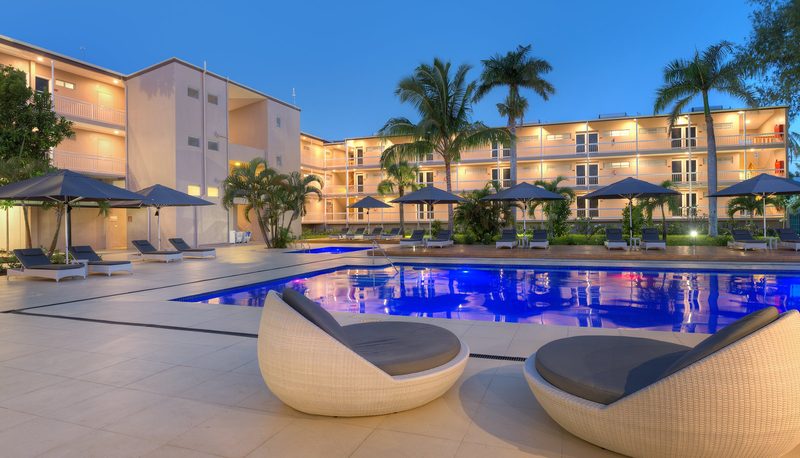
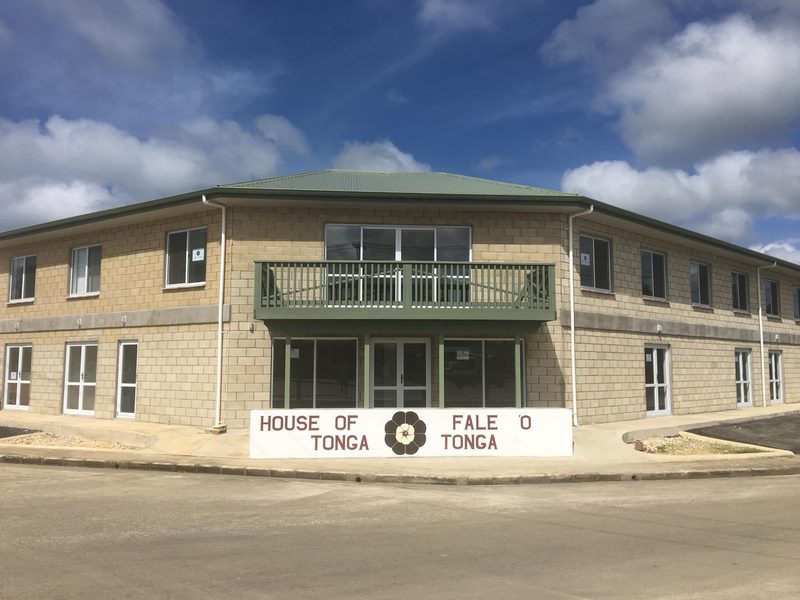
Where to Stay in Tonga in March
Hand-picked hotels across price tiers for March travellers.
Public Holidays in March
Dates that affect opening hours, transport and crowds
Good Friday
Observed nationwide as a public holiday.
Easter Monday
Observed nationwide as a public holiday.
Packing Checklist
Bookmark this page — your progress is saved between visits
Need the full list with shopping links?
Climate-specific gear, brand recommendations, and what to leave at home.
View Tonga Packing List →Essential Tips
Insider knowledge and common pitfalls to avoid
Insider Knowledge
Sunday in Tonga is sacred in a way most Western visitors do not expect until they experience it. This is not a suggestion or a cultural preference. It is functionally a legal shutdown. Shops close. Restaurants close. Most tour operators will not run trips. Even swimming at some beaches draws disapproval in more traditional villages. Your Sunday in Tonga is church, rest, and whatever food you bought on Saturday. Plan accordingly, and if you are invited to a church service, go, the multi-part harmonies in Tongan hymn singing are extraordinary, raw and full-throated in a way that will stay with you long after you leave.
The kava culture in Tonga runs deeper than in Fiji or Samoa, and if you spend any time with Tongan men in the evening, you will be offered a cup. The drink tastes like muddy pepper water, the numbness on your tongue is immediate, and the effect is a calm, clear-headed relaxation. The protocol matters: accept the cup with both hands, drink it in one go, clap once when finished, and hand the cup back. Refusing is fine. But participating earns genuine warmth. The kava circles in the fale (open-sided meeting houses) near the waterfront in Nuku'alofa are where actual conversation happens after dark.
March is prime season for 'ota ika, the Tongan raw fish dish that is the closest thing to a national food. Fresh reef fish, diced and marinated in lime juice until the acid cooks the flesh opaque, then drowned in thick coconut cream with diced onion, tomato, and chilli. The wet season coconuts produce richer cream, and the fish markets at Talamahu Market in central Nuku'alofa stock the freshest catch early in the morning, usually by 6 AM. If you can handle the heat and the early hour, eating 'ota ika for breakfast at the market, sitting on a wooden bench while the vendors set up around you, is the most Tongan meal you can have.
Tonga sits just west of the International Date Line and was, until Samoa switched in 2011, the first country in the world to see the new day. This matters practically if you are connecting through Fiji or Auckland: check your date math carefully when booking flights, because a one-day error in either direction is disarmingly easy. Internal flights between Tongatapu and the outer island groups (Vava'u, Ha'apai, 'Eua) are operated by a small fleet and cancel without much notice in bad weather. In March, always have a buffer day before your international connection.
Avoid These Mistakes
Booking a trip to Tonga in March specifically to swim with humpback whales. The whale season runs from approximately July through October, when the humpbacks migrate from Antarctic feeding grounds to the warm waters around Vava'u and Ha'apai to breed and calve. In March, there are zero whales. This is the single most common planning mistake visitors make, and it is an expensive one to discover on arrival.
Scheduling activities, shopping, or restaurant meals on Sunday. First-time visitors assume that Sunday closures are like those in Europe, where a few things shut but you can still get by. In Tonga, the shutdown is complete and culturally enforced. If you have a seven-day trip that includes a Sunday, that day is not a sightseeing day. Stock up on Saturday, rest on Sunday, and accept the rhythm rather than fighting it.
Underestimating Tongatapu's scale and road conditions. The island is roughly 30 km (19 miles) from end to end, which sounds small. But the roads outside Nuku'alofa are often unpaved or potholed, speeds are low, and in March, rain turns the secondary roads into muddy tracks. A full island circuit that looks like a two-hour drive on a map becomes a full-day affair with stops. Do not try to rush it, and do not rent a car unless you are comfortable driving on the left on roads shared with dogs, pigs, and the occasional horse.
Ready to plan your trip to Tonga?
Now that you've got the research covered, here's where to go next.
Explore More Activities in Tonga
Didn't see anything interesting yet?
Browse Viator's full catalog of tours, day trips, food experiences, and private guides in Tonga.
See All Tonga Tours on Viator