
Things to Do in Tonga in January
January weather, activities, events & insider tips
Low Season · Budget Friendly
January Weather in Tonga
Long-run averages for January in Nuku'alofa
84°F (29°C)
High Temp
74°F (23°C)
Low Temp
6.9 inches (175 mm)
Rainfall
75%
Humidity
15
Sunny-Day UV
⚠ January sits squarely in the South Pacific cyclone season, running November through April. Tonga lies directly in the cyclone belt. A direct hit in any single January remains statistically unlikely. Tropical depressions still bring sustained heavy rain, high winds, and dangerous sea states more frequently this month. Monitor Tonga Meteorological Service forecasts throughout your stay. Ensure your travel insurance explicitly covers cyclone-related disruption. Have a shelter plan ready for whichever island you are on if warnings issue.
⚠ Sea conditions between islands deteriorate rapidly in January. The ferry crossing from Tongatapu to 'Eua faces exposure to open ocean swells. The longer routes to Ha'apai and Vava'u face similar risks. Swells increase significantly during tropical weather systems. Crossings cancel at short notice. Boats that do run can pitch heavily. Domestic flights are strongly preferable to ferries this month if you are prone to seasickness.
⚠ Dengue fever risk rises during the wet season. Mosquito breeding conditions improve with standing water from heavy rains. No vaccine is widely available for all dengue serotypes. Prevention relies on repellent. Wear long sleeves at dusk. Avoid stagnant water near your accommodation. Seek medical attention promptly for sudden high fever with severe headache or joint pain. Do not wait.
Making the most of January in Tonga? Browse tours and activities in Tonga on GetYourGuide.
Is January Right for You?
Weigh the advantages and considerations before booking
Advantages
- + January sits deep in Tonga's low season. That means solitude most Pacific islands surrendered decades ago. On Tongatapu's northern beaches, you might share a stretch of white coral sand with one family fishing for octopus at low tide. Accommodation options that demand months of advance booking during whale season in July through October usually have openings with just a few weeks' notice. Rates often drop noticeably from their winter peaks. Worth it.
- + Water temperatures in January hover around 27 to 28 degrees Celsius (81 to 82 degrees Fahrenheit). That is about as warm as the South Pacific gets. Snorkeling and reef swimming feel almost bathwater-warm. You can stay in the water for hours without a wetsuit or rash guard for thermal purposes. The coral gardens off Ha'apai's barrier reef are at their most alive during this warm-water stretch. Soft corals fully extend. Reef fish congregate in denser schools than you will see in cooler months.
- + The wet season turns Tonga's landscape lush. The breadfruit trees lining Nuku'alofa's back roads hang heavy with fruit. The taro patches in bush villages are at their greenest. Frangipani grows wild across Tongatapu, dropping white and yellow blossoms onto every footpath. Photographers take note. The dramatic cloud formations that build each afternoon and the post-rain light are conditions landscape shooters wait for. Pack rain gear.
- + January is harvest season for several of Tonga's staple crops, yam. That crop holds deep cultural significance in Tongan society. The lu sipi and lu pulu wrapped in taro leaves and slow-cooked in coconut cream are at their richest now. They are made with freshly harvested taro leaves that have a slightly more tender, less fibrous texture than the dry-season crop. You are eating Tonga at its most abundant.
Considerations
- − This is cyclone season. That is not a minor footnote. The South Pacific cyclone belt runs directly through Tonga's waters from November through April. January and February carry the highest statistical risk. Most years pass without a direct hit. When one comes, it can shut down inter-island ferries and domestic flights for days. Travel insurance with explicit cyclone coverage is not optional. Have a flexible itinerary that can absorb a day or two of disruption without unravelling your entire trip.
- − Rainfall in Nuku'alofa averages 175 mm (6.9 inches) for January. That makes it one of the wetter months. The pattern tends to be heavy afternoon and evening downpours rather than all-day drizzle. Those storms can be torrential. They turn unpaved village roads into muddy streams. They make some of 'Eua's forest trails slippery enough to be hazardous. Visibility for diving and snorkeling can drop temporarily after big rains, near river mouths and lagoon shallows on Tongatapu's south coast.
- − Humpback whale season is entirely absent. The whales migrate through Vava'u and Ha'apai from roughly July through October. January is about as far from that window as you can get. If swimming with humpbacks is your reason for visiting Tonga, January is simply the wrong month. No amount of other advantages compensates for missing the single experience that puts Tonga on most travelers' maps. Skip this month.
Short on time in January? See day trips around Tonga on GetYourGuide.
Best Activities in January
Top things to do during your visit
Tongatapu Full-Island Archaeological and Coastal Tours
Tongatapu's south and east coasts hold most of Tonga's headline sights. January's low visitor numbers mean you will likely have them largely to yourself. The Ha'amonga 'a Maui trilithon, a massive coral limestone archway built around 1200 AD and weighing roughly 40 tonnes, sits in a grassy clearing on the eastern tip of the island. The trade winds come in warm and salt-heavy off the reef. Nearby, the Mapu'a 'a Vaea blowholes erupt in plumes of seawater that can reach 20 metres (66 feet) on a strong swell day. The spray catches the light. The roar is audible from the car park. January's higher seas make the blowholes more dramatic than they are in calmer months. The humidity will have you sweating through your shirt by mid-morning. Start these tours early, ideally departing Nuku'alofa by eight. Carry more water than you think you need.
Booking Tip: Full-day Tongatapu circuit tours are the most established offering on the island. Book through licensed local operators at least a week ahead. January's smaller visitor pool means some operators reduce their schedules. Most tours include vehicle transport, a guide, and entry to sites. See current options and availability in the booking section below.
Anahulu Cave Swimming and East Coast Exploration
The Anahulu Cave system on Tongatapu's north coast is one of those places where the sensory experience outweighs the photographs. You descend stone steps into a limestone cavern where freshwater pools sit at a cool 22 to 23 degrees Celsius (72 to 73 degrees Fahrenheit). That is genuine relief after the 29-degree Celsius (84-degree Fahrenheit) heat above ground. Stalactites drip into water so clear you can see the sandy bottom three metres down. The only sound is the echo of water drops against rock. In January, the cave pools tend to be slightly higher from recent rains, which improves the swimming depth. The surrounding east coast is quieter than the south, with small fishing villages where the smell of smoked fish drying on racks drifts across the road. The cave entrance can be slippery after rain. Wear shoes with proper grip rather than flip-flops.
Booking Tip: Cave tours are commonly bundled with east coast itineraries covering the trilithon and blowholes. Half-day options work well if you want the cave as a standalone experience. Book a few days in advance through operators listed in the booking widget below. Bring a towel and a dry bag for electronics.
Vava'u Island Kayaking and Reef Snorkeling
Vava'u sits about an hour north of Tongatapu by domestic flight. This is Tonga's water playground. Most visitors chase whales in winter. January shows you something else entirely. The harbour at Neiafu empties of charter yachts. The waterfront feels like a village, not a marina. Dozens of small islands scatter across Vava'u's sheltered lagoon. You explore them without competition. Sea kayaking between limestone islands takes you through shifting water. Turquoise over sand becomes deep navy over reef drop-offs. Snorkeling at spots like the coral gardens near Nuku island works best in morning light. Afternoon squalls stir up sediment later. Warm water keeps reef life active and feeding. You will likely spot sea turtles grazing on seagrass in the shallows. Be honest about conditions. Tropical depressions can turn exposed passages choppy fast. Kayaking becomes inadvisable then.
Booking Tip: Vava'u kayak and snorkel operators run on demand in January. Fixed daily departures do not happen. Reach out at least ten days ahead to confirm availability. Some operators offer multi-day kayak-camping trips between islands. This is the most immersive way to experience the group. Check the booking section below for current Vava'u offerings.
'Eua Island Rainforest Trekking
'Eua lies thirty minutes by flight or overnight ferry from Tongatapu. This is Tonga's wildest island. It is also its least visited. The national park on 'Eua's eastern escarpment holds Tonga's oldest and densest tropical rainforest. Some banyans reach canopy heights of 30 metres (98 feet). Their root systems cascade down limestone cliffs like frozen waterfalls. January's rains make the forest intensely alive. The air under the canopy thickens with moisture. You smell decomposing leaves and wet earth. Bird calls from the endemic Tongan whistler echo off cliff faces. Ferns line the trails so green they almost glow. The catch is real. January rains make cliff-edge trails on 'Eua's east side dangerous when wet. Red clay soil turns slick. Some sections carry sheer drops of 100 metres (328 feet) with no railings. Stick to interior forest loops after rain. Save cliff trails for dry mornings. You will likely be the only trekker on the island.
Booking Tip: Accommodation on 'Eua is extremely limited. Arrange your stay and guide well in advance. Allow at least two to three weeks for January. Local guides are essential for cliff trails. They know which routes stay safe after rain. Domestic flights from Tongatapu fill quickly even in low season. The planes are small. Check the booking section below for Tonga-wide tour options that may include 'Eua.
Where to Stay in Tonga in January
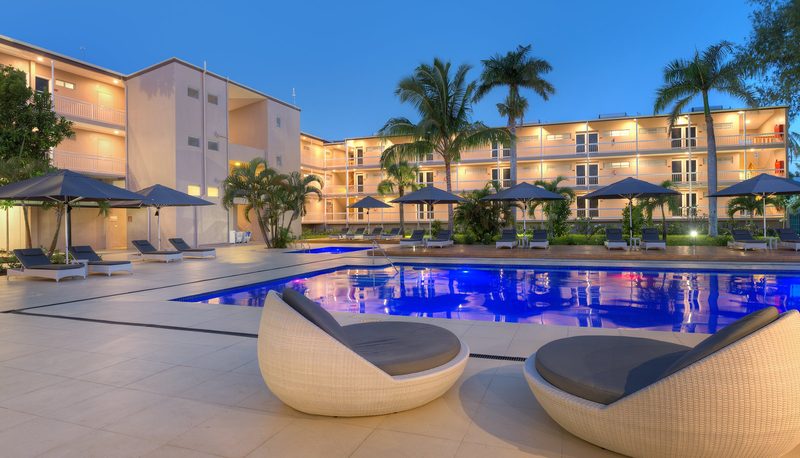
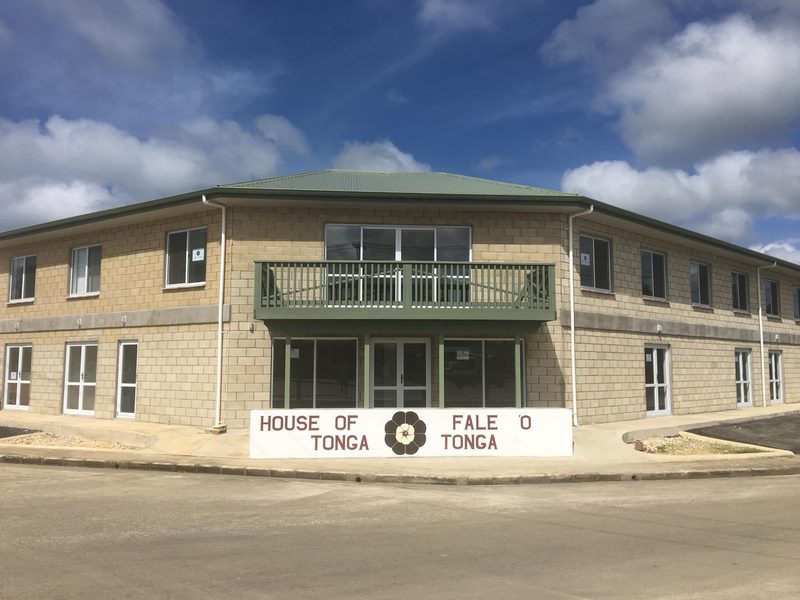
Hand-picked hotels across price tiers for January travellers.
Public Holidays in January
Dates that affect opening hours, transport and crowds
New Year's Day
Observed nationwide as a public holiday.
New Year's Day
Observed nationwide as a public holiday.
Packing Checklist
Bookmark this page — your progress is saved between visits
Need the full list with shopping links?
Climate-specific gear, brand recommendations, and what to leave at home.
View Tonga Packing List →Essential Tips
Insider knowledge and common pitfalls to avoid
Insider Knowledge
Sunday in Tonga is sacred in a way that surprises most visitors. Virtually every business, restaurant, and shop closes. Swimming and most recreational activities are culturally inappropriate on Sundays in many areas. Plan your week so that Sunday is your rest day or arrange in advance with your accommodation for meals. Some resort-style places serve guests on Sundays. But do not expect to walk into Nuku'alofa and find a cafe open. This is the single most important logistical fact about visiting Tonga, and most first-timers learn it the hard way. Remember this.
The domestic airline connecting Tongatapu to Vava'u, Ha'apai, and 'Eua operates small aircraft with limited seat counts. In January, flights still fill up because the planes are tiny, not because demand is high. Book domestic flights the moment your international itinerary is confirmed, ideally three to four weeks out. Rebooking options are minimal, and a missed connection can strand you for a day or two on an outer island with very little notice. Book early.
Kava could fairly be called the social infrastructure. If you are invited to a kava circle, which is likely if you spend any time in villages, accept. The taste is earthy, peppery, and mildly numbing on the tongue, and the etiquette matters: clap once before receiving the cup, drink it in one go, then clap three times after. Refusing is not offensive. But participating opens conversations and hospitality that staying in a resort never will. Say yes.
January's fruit season is outstanding and mostly invisible to tourists who eat only at their accommodation. Roadside stalls on Tongatapu sell mangoes, papaya, and coconuts that were picked that morning, and the difference between a mango that ripened on the tree in Tongan heat and one that traveled in a shipping container is not subtle. The flesh is almost custard-soft, intensely fragrant, and so sweet it borders on floral. Ask your host where the nearest stall is. They will likely just give you fruit from their own trees. Eat local.
Avoid These Mistakes
Avoid booking the trip around whale watching. Humpback whales are in Tongan waters from July through October, and January is as far from that season as possible. If whales are your primary motivation, come back in August or September. No operator, no matter how convincing their website, is running whale swims in January because the whales are simply not there. Skip this.
Avoid treating Tonga like a resort destination where everything is walkable and on-demand. Outside of a few properties, Tonga does not operate on tourist infrastructure. Restaurants may close without notice, ferry schedules shift with weather, and the concept of showing up and figuring it out works poorly here. Arrange transport, meals, and inter-island connections in advance, and build slack into every transition day. Plan ahead.
Avoid underestimating the sun because of cloud cover. Nuku'alofa's January skies are frequently overcast between storms, which makes the heat feel deceptive. UV radiation penetrates cloud cover at these latitudes, and some of the worst sunburns happen on days travelers thought were mild. Reapply sunscreen every two hours regardless of cloud conditions, and wear a hat with a brim during any extended outdoor time. Use protection.
Ready to plan your trip to Tonga?
Now that you've got the research covered, here's where to go next.
Explore More Activities in Tonga
Didn't see anything interesting yet?
Browse Viator's full catalog of tours, day trips, food experiences, and private guides in Tonga.
See All Tonga Tours on Viator